Pittsburgh Gets an 'F' For Air Pollution
According to the American Lung Association, the Pittsburgh region has some of the worst air pollution levels in the country. Despite some improvements in recent years, cars, local power plants, and heavy industry, such as the US Steel's Clairton Coke Works in the Mon Valley, are still spewing out a wide range of airborne contaminants. In fact, the county's air quality monitor, close to the Clairton Plant, has the highest recorded soot readings east of the Rockies. There is no doubt that industrial activity on this scale is having a severe impact on air quality and the health of local residents.
According to the report, the air in Pittsburgh scored an 'F' for ozone, which can exacerbate respiratory issues such as asthma, and an 'F' for particulate matter, which is associated with heart and lung disease, Alzheimer's, and dementia
Austin Air and Pittsburgh Steelers Donate Air Purifiers to the Carnegie Boys & Girls Club of Western Pennsylvania
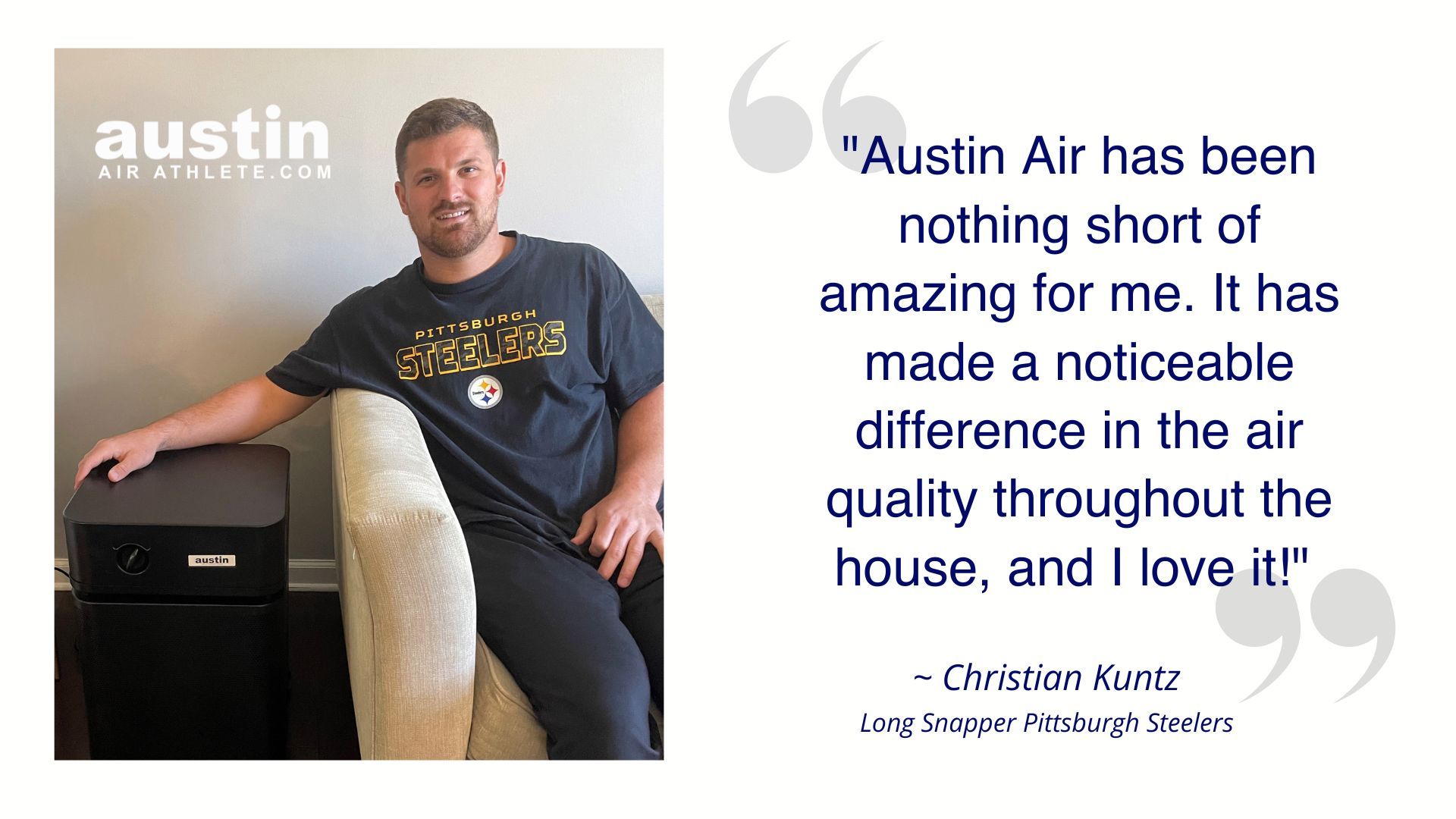
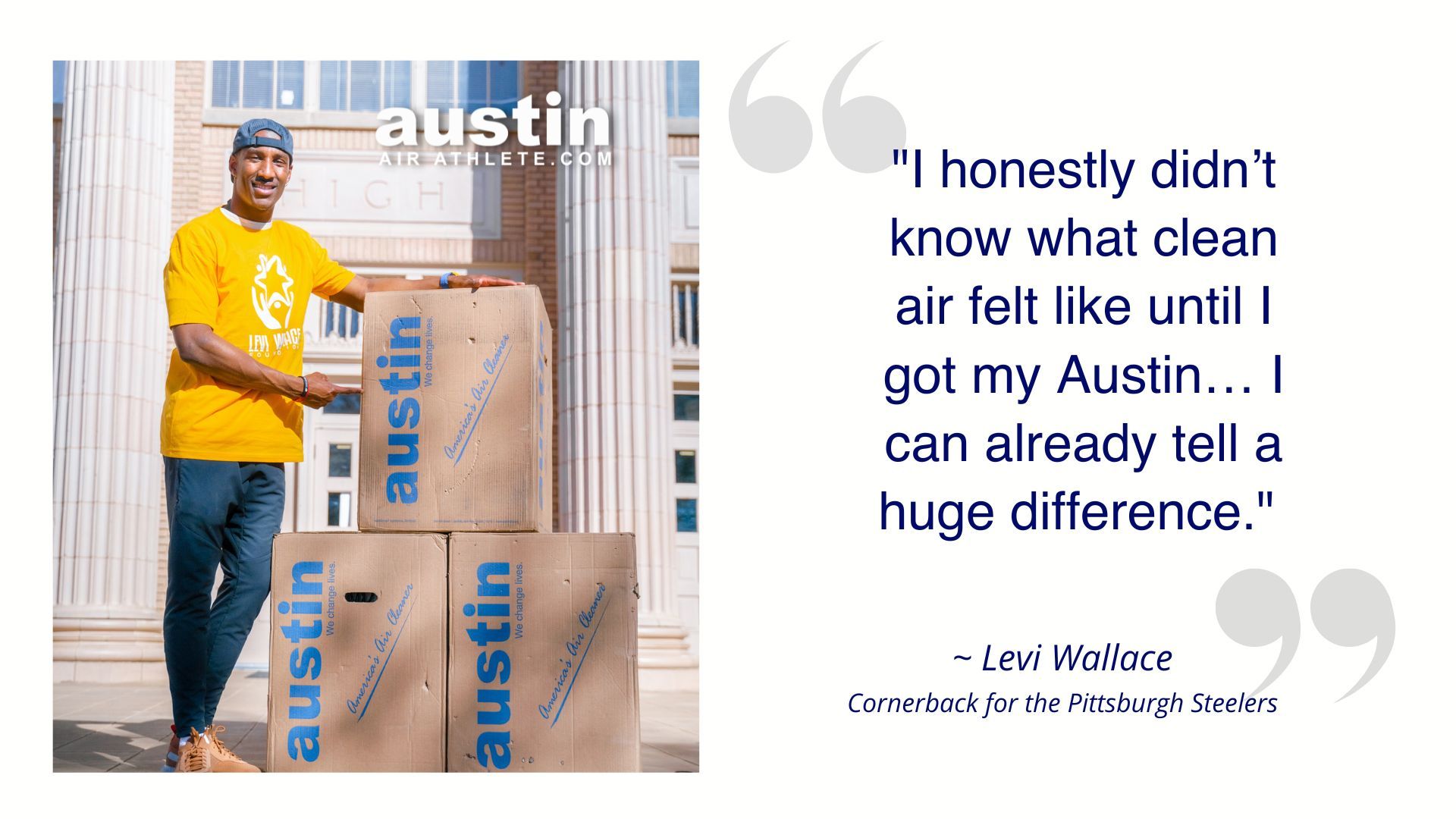
Austin Air Systems teamed up with Pittsburgh Steelers players Levi Wallace, Terrell Edmunds, and Elijah Riley to donate portable, medical-grade HEPA air purifiers to the Carnegie Boys & Girls Club of Western Pennsylvania. This is part of a multi-layered approach to mitigating the transmission of COVID-19 and other airborne viruses at the club. Additionally, effective air filtration is proven to positively impact children’s development and improve test scores for children.
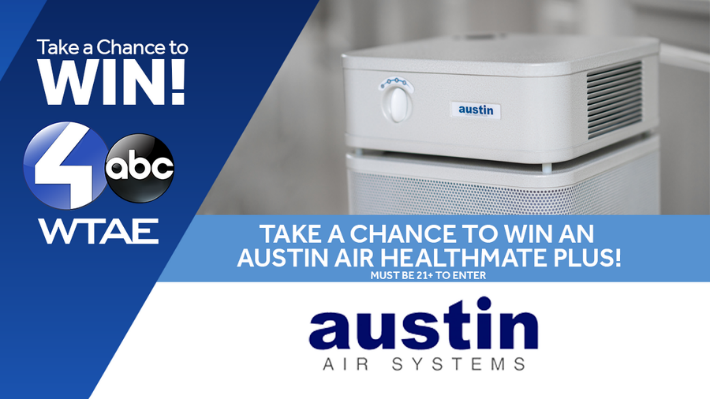
Attention Pittsburgh! Enter For A Chance To Win An Austin Air Healthmate Plus!
To help Pittsburgh residents deal with the area’s poor air quality, Austin Air Systems has teamed up with WTAE Channel 4 to give away a FREE Austin Air Healthmate Plus – with 4 stages of air filtration!
The Medical Grade HEPA used in the Austin Air Healthmate Plus® effectively removes up to 99% of bacteria and aerosolized viruses larger than 0.1 microns. The purifier also uses over 780 cubic inches of Activated Carbon, Potassium Iodide Impregnated Carbon, and Zeolite to remove Volatile Organic Compounds (VOCs), formaldehyde, benzenes, chemicals, gases, and odors
The Dangers of Sulfur Dioxide
Another significant pollutant in the Pittsburgh area is sulfur dioxide. According to the CDC, exposure to sulfur dioxide can cause symptoms such as sneezing, sore throat, wheezing, shortness of breath, chest tightness, and a feeling of suffocation.
In Allegheny County, the main source of sulfur dioxide comes from just a few locations, including Clairton Coke Works, Irvin Works, the Cheswick Generating Station, and Edgar Thomson Works.


Pollutants Often Travel Many Miles from The Source
It's worth remembering that it's not just residents living close to the source of the problem who are at risk. When temperatures on the ground are colder than the upper level, pollutants remain trapped close to the ground. These conditions, known as an 'inversion,' are a common occurrence in the Pittsburgh area. According to the Allegheny County Health Department, inversions occur around 157 days of the year. And it's on days like this, that pollutants remain concentrated, close to the ground, in areas many miles away.
CDC, WHO, and EPA Recommendations for Air Purification in Public Spaces
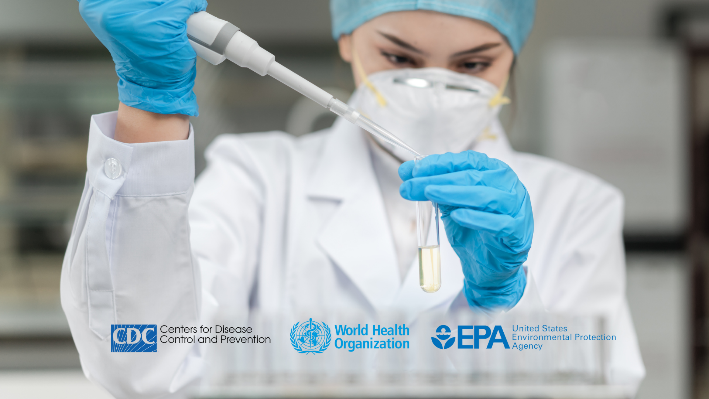
Advice from the CDC, WHO, and EPA is clear: portable HEPA air purifiers are recommended to minimize the spread of airborne viruses like COVID-19 in indoor spaces. In fact, an extensive review by the EPA concluded the combination of HEPA and Carbon is the safest and most effective solution. Purifiers that use UV lights, Ionization, and PCO technology are not ideal because they can produce dangerous byproducts that are then emitted into the air
U.S. School Districts And Counties Are Using FUNDING to Purchase Air Purifiers for Schools!
To minimize the risk of COVID-19, county executives and school districts around the country are using ELC funding from the CDC to purchase portable HEPA air purifiers. Yes, that’s right. Funding. These funds were made available through an “opt-out” grant – and many did not “opt-out.”
AND, we offer a faster, easier solution to the bid process!
So how much did your state/area get? Find out here. Or talk to your County Department of Health. But, you better hurry! Funds must be used soon
Also, the American Rescue Plan act provided $122 billion for the Elementary and Secondary Schools Emergency Relief (ESSER) Fund to help schools prevent the spread of COVID-19 and recover from its effects.
What’s more, the Biden administration unveiled the “National COVID-19 Preparedness Plan” that includes $130 billion available for schools to help finance air quality upgrades. Additionally, $2.75 billion is available through the American Rescue Plan’s Emergency Assistance to Non-Public Schools (ARP EANS) program.
Use Funding to Purchase Air Purifiers for Work
Whether your work in an office, retail shop, bar or restaurant, salon, bakery, or classroom indoor spaces shared by multiple people pose a risk for transmission of pathogens and airborne pollutants that can lead to illnesses including seasonal colds, flu, and COVID-19 as well as contribute to the symptoms of respiratory issues including asthma, COPD, and allergies.
However, organizations can utilize government funding to purchase portable HEPA air purifiers and implement other changes to improve indoor air quality.
There has never been a better time to improve indoor air quality for your staff, teachers, and students!
Clinically Proven to Capture and Destroy Airborne Contaminants and Viruses
Our involvement in clinical trials started in 2001 when we were selected by the American Academy of Pediatrics and the country’s number one children’s hospital, Cincinnati Children’s Hospital, to take part in a clinical trial to improve children’s asthma symptoms and reduce visits to the ER.
Since then, we have been involved in a number of trials, working with some of the country’s leading institutions, including Johns Hopkins University and the University of Washington. The results of these trials confirm what we have known for many years. Running an Austin Air purifier removes a wide range of airborne pollutants and will help to improve respiratory conditions such as asthma and COPD. If you would like to read more about our clinical trials, click HERE.
When it comes to selecting an air purifier, there are six things you should always look for.
Learn More

Celebrating Independence Day and One Year of the Austin “it”
Happy Anniversary to the Austin Air “it”Personal Air Purifier—the compact, powerful, and travel-ready air purifier that made its debut just one year ago and hasn’t stopped moving since. Made 100% in the USA, the Austin “it” was born from a simple question: What if clean air could go wherever you go? And the answer? “it.” For personal air purification. Twelve months later, “it” has proven to be a game-changer—especially for those with chemical sensitivities, asthma, allergies, or COPD—and for anyone...

How the U.S. Heat Dome Is Worsening Air Pollution
As the most recent heat dome has tightened its grip across the United States the past few days, scorching more than 90 million people under triple-digit temperatures, another invisible threat is building alongside the heat: polluted air. From New York City to Cincinnati to Grand Rapids, poor air quality is compounding the dangers of extreme heat. Scientists now warn that these twin environmental hazards—heat and air pollution—are not just co-occurring. They’re actively making each other worse. Although the worst of...

ONGOING AIR QUALITY ALERT: Canadian Wildfires
Updated: Thursday, June 5, 2025 at 4:30 PM (EST) Canadian wildfire smoke continues to impact air quality across the United States, with significant effects observed in the Upper Midwest and Northeast regions. In Minnesota, the Minnesota Pollution Control Agency (MPCA) has issued air quality alerts due to elevated levels of fine particulate matter (PM2.5) from wildfire smoke. While some improvement is expected, residents, especially those in sensitive groups, should continue to monitor air quality levels and take necessary precautions. In...
Shop Austin Air Systems
Discover the full line of Austin Air products and decide which one is best for your needs.
Contact
716-856-3700
Business Hours: Monday - Friday 8:30 Am To 5:00 Pm Eastern Standard Time

Copyright © 2024 AustinAir. All Rights Reserved.
Check out our socials
*Disclosure: Monthly financing through Klarna issued by WebBank. Other CA resident loans made or arranged pursuant to a California Financing Law license. NMLS # 1353190.