The Top 20 Holiday Respiratory Triggers
Top 20 Holiday Respiratory Triggers
During the holiday season, there are many products and activities that can emit airborne pollutants that may trigger breathing difficulties in those with respiratory issues. Therefore, it's important to recognize the triggers ahead of time so you can minimize exposure. A medical-grade Austin Air purifier can help remove the holiday pollutants that trigger these symptoms.

Dust Mites
Moving furniture to make room for the Christmas tree and pulling out decorations stored for a year stirs up dust mites, which thrive in warm, enclosed spaces.

Mold Spores
Stored holiday decorations, wreaths, and even live trees can harbor mold, releasing spores that can trigger allergies and respiratory issues.

Scented Products
Popular holiday scents like cinnamon, pine, and vanilla can contain volatile organic compounds (VOCs) that irritate the respiratory tract.

Heating Sources
Wood-burning stoves, fireplaces or pellet stoves can release particulate matter and chemicals. Even gas fireplaces can emit carbon monoxide and VOCs.

Pet Dander
Guests visiting with pets (or visiting other people's homes who have pets) can increase dander exposure, triggering allergies in sensitive individuals.

Real Trees & Wreaths
Real holiday trees and wreaths can carry pollen, mold spores, and sap that are irritants for people. Some may even carry pesticide residues.

Cooking Fumes
Increased holiday cooking and baking increase exposure to fumes from oils, spices, and smoke, especially in poorly ventilated kitchens.

Fragrances
Holiday gatherings often mean more exposure to perfumes and colognes from visiting guests, which can trigger asthma and respiratory issues in some.

Cleaning Products
Holiday cleaning routines often include harsh chemicals that release fumes and can irritate the respiratory system.

Tobacco Smoke
Smoking indoors or on porches during gatherings can release secondhand smoke, a common trigger for respiratory issues.

Sprays and Glitter
Decorative sprays and glitter can contain chemicals and small particles that are easy to inhale, irritating the lungs.

Holiday Plants
Poinsettias, holly, and Christmas cacti can trigger allergies, especially if overwatered as mold can grow in the soil.

Dry Indoor Air
Heating systems reduce indoor humidity, drying out the respiratory tract and aggravating asthma and allergies.

Dust From Packaging
Particles from wrapping paper, cardboard, and packing materials (peanuts and foam) can release dust and tiny fibers that irritate sensitive lungs.

Cold Air
Cold winter air can be a trigger itself, as cold air can dry out airways and aggravating conditions like asthma and bronchitis.

Plastic Decorations
New plastic or synthetic holiday decorations can release VOCs, especially when accidentally heated by indoor lights or heat sources.

Viruses & Bacteria
Holiday gatherings can mean higher levels of airborne viruses and bacteria from coughing, sneezing, and talking, risking respiratory illnesses.

Varnish & Paint
Painted or varnished holiday decorations could release fumes, especially if they are displayed in poorly ventilated areas.

Holiday Sweaters
Festive sweaters and other clothing made from synthetic material can release small, breathable fibers that irritate sensitive lungs.

Candied Sugar
Creating caramelized holiday treats and performing other high-heat cooking with sugar releases fumes that can irritate airways.
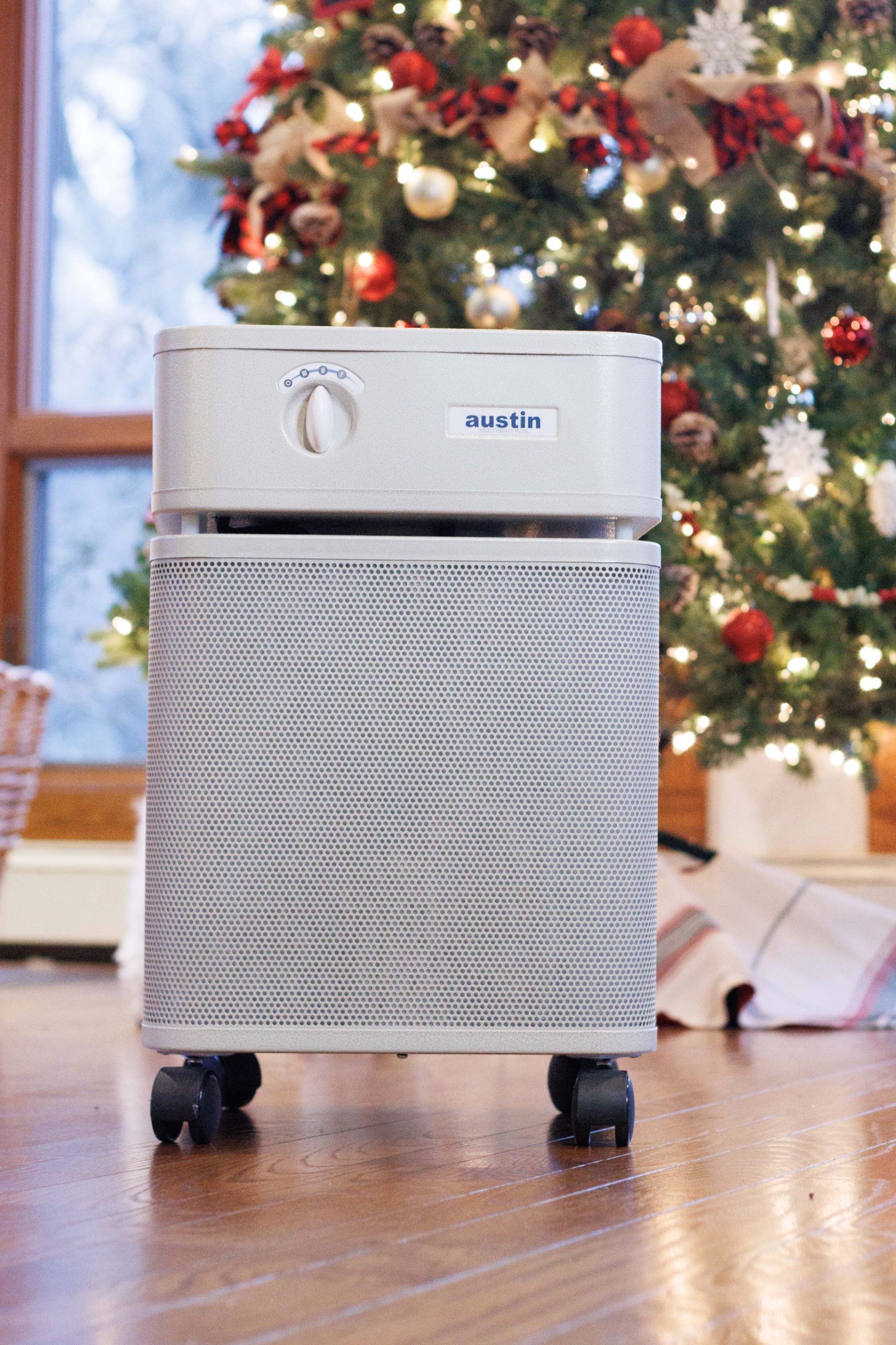
The Austin Air HealthMate Removes the Holiday Pollutants That Trigger Respiratory Issues
Using 60 sq. ft. of medical grade HEPA, the Austin Air HealthMate effectively removes up to 99% of airborne pollutants down to .1 microns, including viruses and bacteria. With up to 15 lbs. of activated carbon, the HealthMate also eliminates a wide range of gases, chemicals, and VOCs which are especially problematic for those with breathing issues. The broad-spectrum adsorption makes the Austin Air HealthMate the best choice for protection against the most common holiday respiratory triggers.
“Can I use health insurance for my air purifier?”
Air purifiers aren’t usually covered by health insurance. But you can use a flexible spending account (FSA) or health savings account (HSA).
We also offer easy payment options at checkout!
Shop Austin Air Systems
Discover the full line of Austin Air products and decide which one is best for your needs.
Contact
716-856-3700
Business Hours: Monday - Friday 8:30 Am To 5:00 Pm Eastern Standard Time

Copyright © 2024 AustinAir. All Rights Reserved.
Check out our socials
*Disclosure: Monthly financing through Klarna issued by WebBank. Other CA resident loans made or arranged pursuant to a California Financing Law license. NMLS # 1353190.